
-
Pdiam
- Social Psychology
- 0 Comments
Almost everyone has experienced the strange frustration of avoiding something they know they absolutely need to do. The deadline is getting closer. Stress increases. The task becomes more important every hour. And somehow, instead of starting, people suddenly feel the urge to clean their room, scroll social media, watch random videos, or do literally anything else.
That’s why so many people relate to the question of why humans procrastinate even when tasks are important. From the outside, procrastination looks irrational. People assume it comes from laziness or lack of discipline. But psychologically, procrastination is usually much deeper than that.
In many cases, people are not avoiding the task itself. They are avoiding the emotions connected to the task. And honestly, once people understand that, procrastination starts making a lot more sense.
Why Humans Procrastinate Even When Tasks Are Important Is More Emotional Than Logical
One reason why humans procrastinate even when tasks are important feels confusing is because people assume humans naturally make logical decisions all the time.
But the brain is emotional first.
If a task creates stress, anxiety, pressure, self-doubt, overwhelm, or fear of failure, the brain often tries to escape those uncomfortable emotions temporarily. Procrastination becomes emotional avoidance disguised as distraction.
That’s why people often procrastinate most on the tasks that matter the most.
Important tasks carry emotional weight. The more meaningful something feels, the more pressure the brain attaches to it. And sometimes, avoiding the discomfort feels emotionally easier than facing the possibility of failure, judgment, or imperfection.
The Brain Prefers Immediate Comfort Over Long-Term Rewards
Human brains evolved to prioritize immediate emotional relief.
Finishing an important project may help someone later, but watching short videos or scrolling social media provides instant dopamine now. The brain naturally gravitates toward activities that feel rewarding in the moment, especially when stressed.
That’s why procrastination often feels automatic.
People tell themselves they will “start in five minutes,” but the brain keeps choosing smaller immediate rewards over larger delayed ones. Modern technology makes this even harder because endless entertainment is always available instantly.
A few seconds of discomfort can now be escaped immediately through distraction.
And honestly, the brain becomes very good at repeating that pattern over time.
Perfectionism Quietly Creates Procrastination
One hidden reason why humans procrastinate even when tasks are important is perfectionism.
A lot of people delay starting because they subconsciously feel pressure to perform perfectly. The task feels emotionally heavy because they care too much about the outcome.
So instead of doing it imperfectly, they avoid beginning at all.
Ironically, people who care deeply about success are often more likely to procrastinate because failure feels emotionally threatening to them.
The brain starts thinking:
- “What if I’m not good enough?”
- “What if this turns out badly?”
- “What if people judge me?”
- “What if I disappoint myself?”
And suddenly, avoiding the task temporarily feels emotionally safer than risking imperfection.
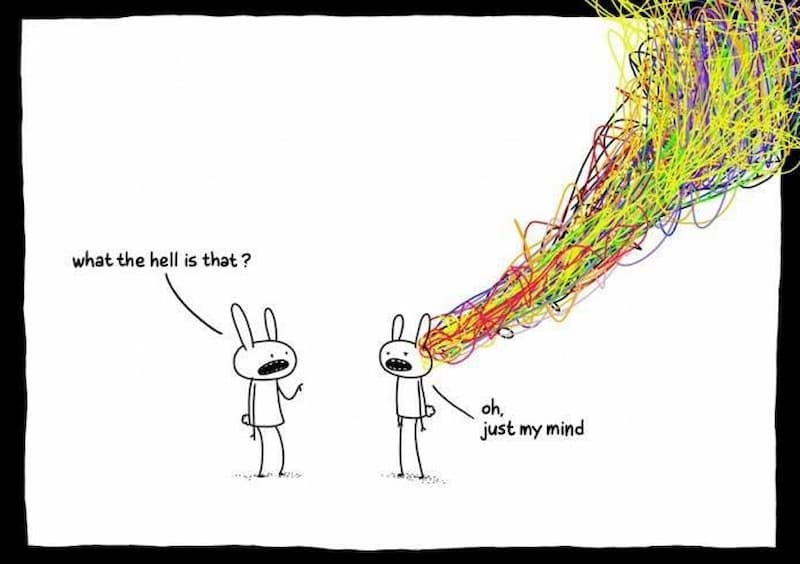
Why Humans Procrastinate Even When Tasks Are Important During Stressful Periods
Another major reason why humans procrastinate even when tasks are important is mental overload.
When people are emotionally exhausted, stressed, anxious, sleep-deprived, or overwhelmed, even small tasks begin feeling mentally bigger than they actually are.
The brain loses emotional energy first.
That’s why people sometimes procrastinate not because they are lazy, but because their nervous system already feels overloaded from too many responsibilities, decisions, worries, or emotional pressure.
Modern life constantly drains attention through notifications, work stress, social comparison, financial pressure, and nonstop stimulation.
Eventually, the brain struggles to focus naturally. And when focus weakens, procrastination becomes much easier.
Fear of Failure Is Stronger Than People Realize
Many people think procrastination comes from not caring enough. But often, the opposite is true.
People procrastinate because they care too much.
The task becomes emotionally connected to identity, self-worth, intelligence, talent, or future success. Suddenly, completing the task feels psychologically risky.
If someone never fully tries, failure feels less personal.
But if they genuinely give full effort and still fail, the emotional impact feels much heavier. That’s why procrastination often becomes self-protection without people fully realizing it.
The brain would rather delay discomfort than risk emotional disappointment immediately.
Starting Is Usually the Hardest Part
One interesting thing about procrastination is that people often feel dramatically better once they actually begin.
The anticipation creates more anxiety than the task itself.
Before starting, the brain imagines the task as emotionally huge, stressful, exhausting, or impossible. But after beginning, the nervous system slowly calms because uncertainty decreases.
That’s why people frequently say things like “That wasn’t actually as bad as I thought.” The hardest part is often crossing the mental resistance at the beginning.
And honestly, the brain exaggerates difficulty far more than people realize.
Why Humans Procrastinate Even When Tasks Are Important More in Modern Life
Modern environments make procrastination much worse than before.
Humans were never designed to live surrounded by unlimited distraction. Today, people carry instant entertainment inside their pockets at all times. Every difficult moment can immediately be escaped through scrolling, videos, messages, games, music, or endless online content.
The brain no longer has to sit with boredom or discomfort very often.
And because digital platforms are designed to capture attention aggressively, resisting distraction requires much more mental energy than people realize.
That’s part of why procrastination feels increasingly common today. Modern systems profit from human distraction.
Motivation Is Not Always Reliable
One mistake many people make is waiting to “feel motivated” before starting important tasks.
But motivation is emotionally inconsistent.
Some days energy feels high naturally. Other days the brain feels exhausted, distracted, or emotionally flat. If people only act when motivation appears automatically, many important things never get finished consistently.
That’s why routines often matter more than motivation long-term.
People who appear highly disciplined are not always more motivated. Often, they simply learned how to begin tasks before their emotions fully agreed.
And honestly, that’s difficult for almost everyone sometimes.
The More Overwhelmed People Feel, the More They Avoid
Large tasks create mental resistance because the brain struggles with uncertainty and complexity.
When something feels too big, people often freeze emotionally instead of starting small. The mind keeps focusing on the entire project at once, which creates stress before any progress even begins.
That’s why breaking tasks into smaller pieces helps psychologically.
Small progress feels emotionally safer.
The brain responds better to manageable actions than huge abstract pressure.
And often, momentum returns only after people stop expecting themselves to solve everything immediately.
Why Humans Procrastinate Even When Tasks Are Important Is Deeply Human
The reason why humans procrastinate even when tasks are important feels so universal is because procrastination is connected to very human emotions: fear, stress, overwhelm, self-doubt, mental exhaustion, and emotional avoidance.
It is not always about laziness.
Sometimes people are simply mentally overloaded. Sometimes they are afraid of failure. Sometimes they feel emotionally disconnected, burned out, or overwhelmed by pressure they do not fully know how to process.
And honestly, modern life creates far more mental strain than many people openly admit.
Final Thoughts
The truth about why humans procrastinate even when tasks are important is that procrastination is usually less about discipline and more about emotional regulation.
People avoid tasks because the brain tries to escape discomfort temporarily. Fear, pressure, perfectionism, stress, and overwhelm all quietly influence behavior far more than logic alone.
That does not mean procrastination is healthy.
But understanding the psychology behind it helps people stop seeing themselves as simply lazy or broken every time they struggle to focus.
Because sometimes the brain is not refusing to work.
Sometimes it is simply exhausted, overstimulated, afraid, or emotionally overwhelmed in ways people do not fully notice until much later.
Carefully reviewed in April 2026 by Pdiam Knowledge Experts. Read more practical business and organizational development guides on Pdiam today.